Family Caregivers as Partners in Healthcare Decisions
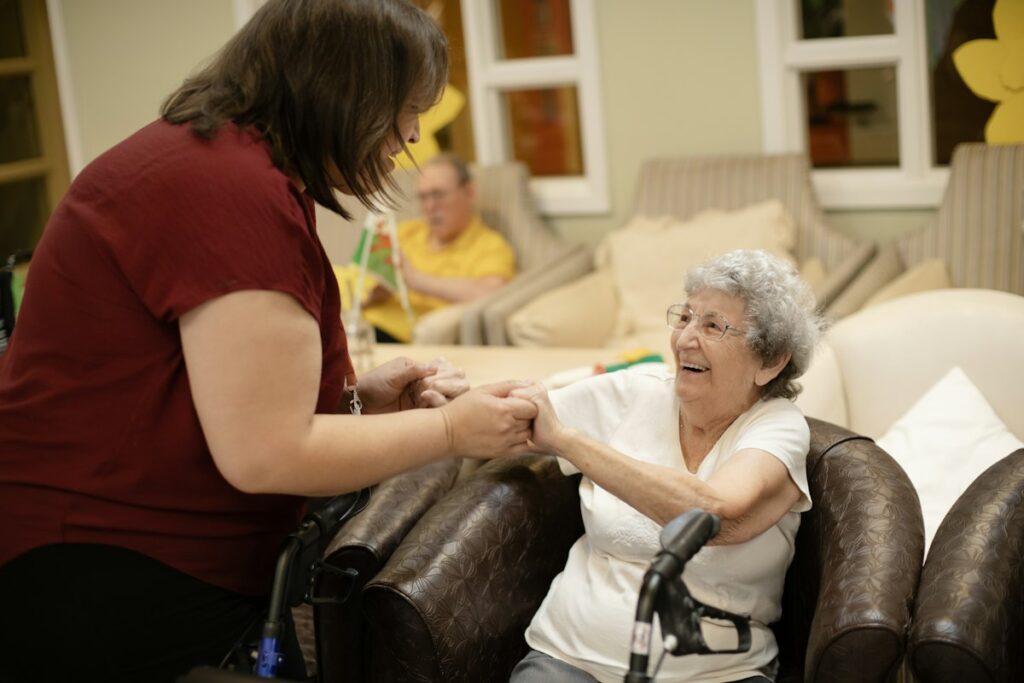
Family members and unpaid caregivers may help coordinate appointments, recognize changes, and communicate a patient’s goals. Their involvement can be valuable, particularly where an individual cannot easily speak for themselves. Good engagement respects patient preferences, privacy, and the caregiver’s role.
Agree on roles and preferences
Healthcare teams should ask patients how they want loved ones involved. When appropriate, clarify what information can be shared, how decisions will be documented, and who can help with follow-up tasks.
Experience is useful evidence
Caregivers can observe daily function and changes that are not always visible during short appointments. Their accounts can support better conversations about recovery, treatment burden, and what meaningful progress looks like.
Partnership requires support
Caregiver participation should not substitute for accessible professional communication. Clear care plans, interpretation support, and opportunities to ask questions can reduce confusion and improve continuity.
The homepage introduces other ways patients and families can shape research and service design.
Research reference: Read the institutional source.